
Key Points
- A healthy gut does much more than digest food. It also supports your energy, sleep, mood, and immune system every day.
- Simple changes like cutting back on dairy, sugar, and gluten and adding supplements like vitamin D and magnesium can make a big difference.
- Lifestyle habits such as drinking enough water, moving your body daily, and getting morning sun all work together to keep your gut in balance. These routines also boost digestion, improve sleep, and support your overall health.
When it comes to your health, your gut isn’t just along for the ride — it’s the VIP behind the velvet rope. From digestion to energy to mental clarity, your gut plays a starring role in how good (or not-so-good) you feel every day.
When your gut is happy, life feels lighter: food digests more smoothly, energy stays steady, and your mind feels sharper. When it’s not? That’s when the bloating, brain fog, and low energy crash the party.The good news? You don’t need a complicated routine to keep your gut in the spotlight. At Simply Southern Chiropractic Center, we’ve seen how a few simple, consistent habits can make a big difference. Here are five easy ways to give your gut the VIP treatment it deserves.
Table of Contents:
- Cut Back on Dairy, Sugar, and Gluten
- Add Vitamin D and Magnesium
- Drink More Water Every Day
- Move Your Body Daily
- Get Morning Sunlight
- Turning Healthy Habits Into Lasting Results
- References
1. Cut Back on Dairy, Sugar, and Gluten
Some foods are known to be harder on your gut than others. The top three troublemakers you need to look out for? Dairy, sugar, and gluten. Cutting back on these can calm irritation, ease bloating, and boost energy.
Why it matters:
- Dairy: Many adults don’t fully digest lactose, which can trigger bloating, gas, or cramps.
- Sugar: Refined sugar feeds “bad” gut bacteria, throws off the balance of your microbiome, and often leads to energy crashes.
- Gluten: Even if you don’t have celiac disease, gluten can be hard to digest and may cause inflammation, fatigue, or brain fog in many individuals.
Simple swaps to try:
- Dairy: Try almond or coconut milk (but not oat milk because it spikes blood sugar); experiment with dairy-free yogurts and cheeses.
- Sugar: Trade soda for sparkling mineral water with lemon; swap candy for fruit or dark chocolate; choose unsweetened nut butters instead of sweetened spreads.
- Gluten: Replace white pasta with rice noodles or lentil pasta (high in fiber!); try brown rice, quinoa, or gluten-free bread.
Pro tip: Try one simple swap at a time, like oatmeal with fruit instead of sugary cereal, or unsweetened almond milk in your coffee. Then pay attention: does your gut feel lighter, less bloated, more energized? Those little changes add up.
2. Add Vitamin D and Magnesium
Even with a healthy diet, your gut sometimes needs backup. Most of us spend more time indoors and eat fewer nutrient-rich foods than our bodies need. That’s why key nutrients like Vitamin D and magnesium often fall short — and why adding them can make a big difference for digestion, sleep, mood, and energy.
Why it matters:
- Vitamin D: Think of it as your gut’s protector or bodyguard. It helps the good bacteria thrive and keeps your immune system strong, so your digestion runs smoothly. Low vitamin D can lead to gut imbalances and a sluggish metabolism.
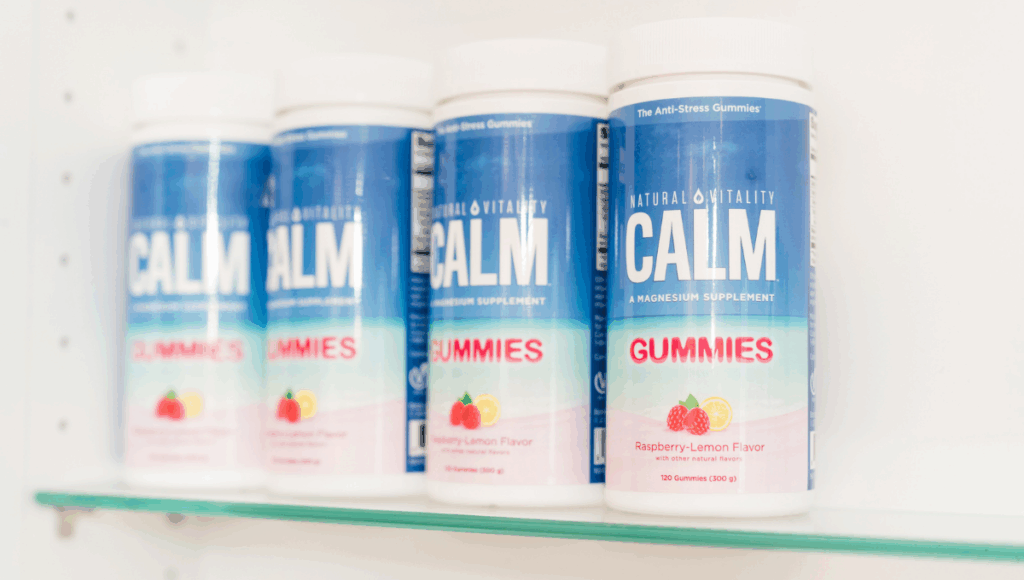
- Magnesium: This is your gut’s “relax button.” It helps food move through your system, calms muscle tension, and supports deeper sleep — all of which give your digestive system a chance to repair and reset.
Easy ways to get more:
- Vitamin D: For most people, a daily supplement is the most reliable way to keep levels healthy — food and sunlight alone usually aren’t enough. Pair your supplement with a meal that contains healthy fats (like avocado or olive oil) to boost absorption. Morning sun (15–20 minutes) and vitamin D-rich foods like salmon, eggs, or fortified plant milks can provide added support.
- Magnesium: A high-quality magnesium supplement (such as magnesium glycinate) is one of the easiest ways to support digestion as well as muscle function and sleep. Many people take it in the evening since it also promotes relaxation. You can round out your intake with foods like pumpkin seeds, almonds, or spinach.
Pro tip: Supplements aren’t one-size-fits-all. The best way to know what your body needs is to talk with your healthcare provider. If you’re not sure where to start, our team at Simply Southern Chiropractic Center can help guide you toward the right choices for your gut health.
3. Drink More Water Every Day
Hydration is one of the simplest ways to keep your gut happy. Think of it like this: your gut runs on water the way your car runs on gas. Without it, everything slows down — food doesn’t move as easily, digestion stalls, and your energy tanks. And just like no one wants their car to stall, no one likes dealing with a sluggish gut.
Why it matters:
- Supports digestion: Water breaks down food, helps your body absorb nutrients, and keeps waste moving through the intestines.
- Balances the microbiome: Staying hydrated creates a healthy environment where “good” gut bacteria can thrive.
- Prevents discomfort: Without enough fluids, digestion slows, which often leads to bloating, constipation, and fatigue.
Easy ways to drink more:
- Carry a reusable water bottle: Keep it nearby and refill often to sip steadily throughout the day.
- Add natural flavor: Lemon, cucumber, or berries make water more enjoyable (and add extra antioxidants).
- Set gentle reminders: Use a phone alarm or hydration app to stay on track with your daily goal.
- Eat water-rich foods: Cucumbers, watermelon, and oranges boost hydration and give your gut the fiber and diversity it loves.
Pro tip: Aim for half your bodyweight in ounces, but listen to your body — if you’re sweating more (like after exercise), you’ll need extra.
4. Move Your Body Daily
Your gut doesn’t just benefit from what you eat and drink; it also thrives on movement. Regular activity works like a natural massage for your digestive system, helping food move through more smoothly. Plus, movement lowers stress and boosts overall energy.
Why it matters:
- Keeps digestion moving: Physical activity stimulates your intestines, which helps prevent sluggish digestion and constipation.
- Reduces stress: Exercise lowers cortisol, a stress hormone that can throw gut balance off track.
- Supports metabolism: Staying active helps your body process food efficiently and use energy more effectively.
Easy ways to move more:
- Take a 10–15 minute walk after meals to help digestion.
- Roll out a yoga mat for gentle stretches or breathing exercises.
- Dance around the house or turn chores into “movement breaks.”
- Stand up, stretch, or take the stairs instead of sitting for long periods.
Pro tip: Aim for some kind of movement every day — it doesn’t have to be an intense workout. Even small, consistent activities add up to big benefits for your gut and your energy.
5. Get Morning Sunlight
Your gut loves sunshine — especially in the morning. Just 15–20 minutes of natural light helps set your body’s internal clock (circadian rhythm). When your clock’s in sync, you digest better, sleep better, and feel more energized throughout the day.
Why it matters:
- Resets your body clock: Morning light signals when it’s time to wake up and when it’s time to wind down.
- Improves sleep (and gut health): Better sleep supports healthy digestion, metabolism, and mood.
- Boosts vitamin D: Sunlight helps your body make vitamin D, a nutrient that supports both gut and immune health.
Easy ways to soak it up:
- Step outside for a short walk first thing in the morning.
- Drink your coffee or tea on the porch instead of inside.
- Outside is best, but open blinds and sit near a sunny window if you can’t get outdoors.
Pro tip: Aim for sunlight before 10 a.m. if possible — that’s when your body is most responsive to setting its daily rhythm.
Turning Healthy Habits Into Lasting Results
Your gut is a true VIP when it comes to your overall health. Simple daily changes — like cutting back on dairy, sugar, and gluten, adding key supplements, staying hydrated, moving your body, and soaking up a little morning sun — can set the stage for better digestion, steadier energy, and a clearer mind.
These habits may feel simple, but together they add up to a powerful shift in how your gut (and the rest of your body) feels and functions.
At Simply Southern Chiropractic Center, we know that building lasting gut health sometimes takes more than a few lifestyle tweaks; it takes personalized support and a plan. That’s why we created our Gut Health Program: a 90-day program designed to reset your gut, boost your metabolism, and help you feel like your best self again.< p>
Curious how our Gut Health Program could support your digestion and energy?
Our team would love to walk you through the details. Reach out today to learn more and find out if it’s the right fit for you.
References
Akimbekov, N. S., Digel, I., Sherelkhan, D. K., Lutfor, A. B., & Razzaque, M. S. (2020). Vitamin D and the Host-Gut Microbiome: A Brief Overview. Acta Histochemica et Cytochemica, 53(3), 33. https://doi.org/10.1267/ahc.20011
Satokari, R. (2020). High Intake of Sugar and the Balance between Pro- and Anti-Inflammatory Gut Bacteria. Nutrients, 12(5), 1348. https://doi.org/10.3390/nu12051348
Heiman, M. L., & Greenway, F. L. (2016). A healthy gastrointestinal microbiome is dependent on dietary diversity. Molecular Metabolism, 5(5), 317. https://doi.org/10.1016/j.molmet.2016.02.005